
Material selection affects how a thermoformed package looks, performs, forms, seals, and protects the product inside it.
PET, PETG, HIPS, PP, HDPE, PVC, and specialty ESD materials can all be thermoformed, but they do not behave the same way. Each has different properties and processing characteristics that make it better suited to certain applications.
Material selection starts with what the package needs the plastic to do.
Start with the Required Material Properties
Rather than selecting a resin based only on industry or familiarity, engineers look at the performance requirements of the finished package.
Does the package need to be clear so the product remains visible? Does it need durability for repeated handling? Will it be exposed to elevated temperatures? Will it be heat sealed or sterilized? Does it need to protect an electronic component from electrostatic discharge?
These requirements help narrow the materials that are appropriate for the application.
PET & RPET: Clarity & Versatility
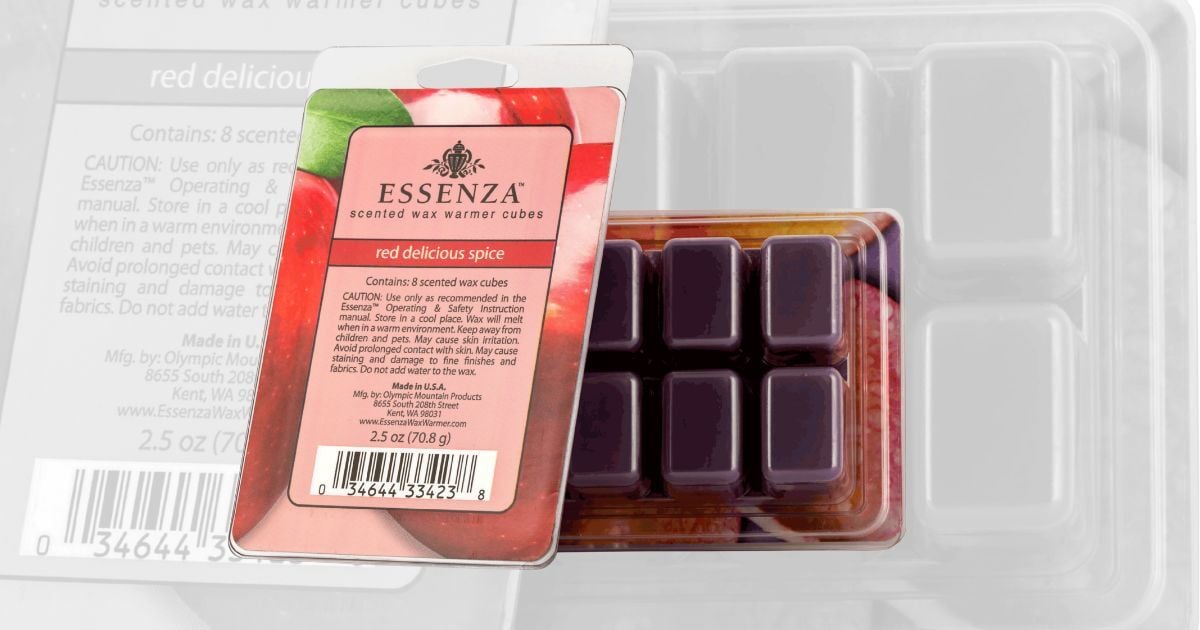
PET is widely used in thermoformed packaging because it offers clarity and good forming characteristics across a broad range of commercial applications.
For retail clamshells, trays, and other packages where product visibility is important, PET is often a good starting point.
RPET incorporates recycled PET content and can provide many of the same advantages when recycled content is a project requirement.
PET and RPET are commonly considered when a package requires:
- High product visibility
- Consistent thermoforming performance
- Recycled-content options
PETG: A Common Choice for Medical Packaging
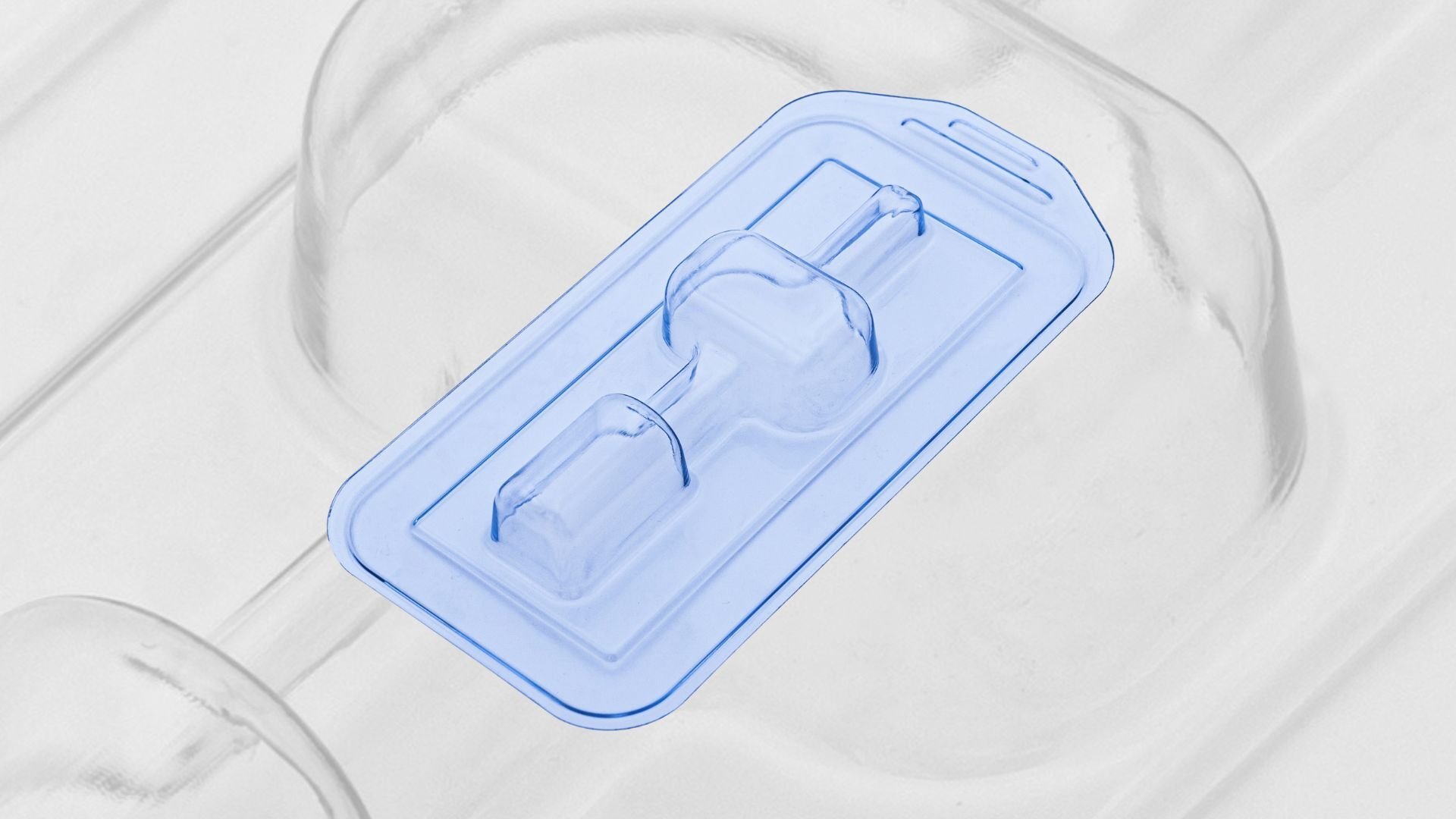
PETG is frequently used for thermoformed medical device packaging.
It forms consistently, trims cleanly, and provides the clarity needed to inspect and present medical devices inside the package. PETG is also commonly used when a thermoformed tray will be heat sealed to a lidding material and then sterilized.
In these applications, the material has to work with the entire packaging system, including the sealing and sterilization requirements.
HIPS & RHIPS: Support for Industrial Applications
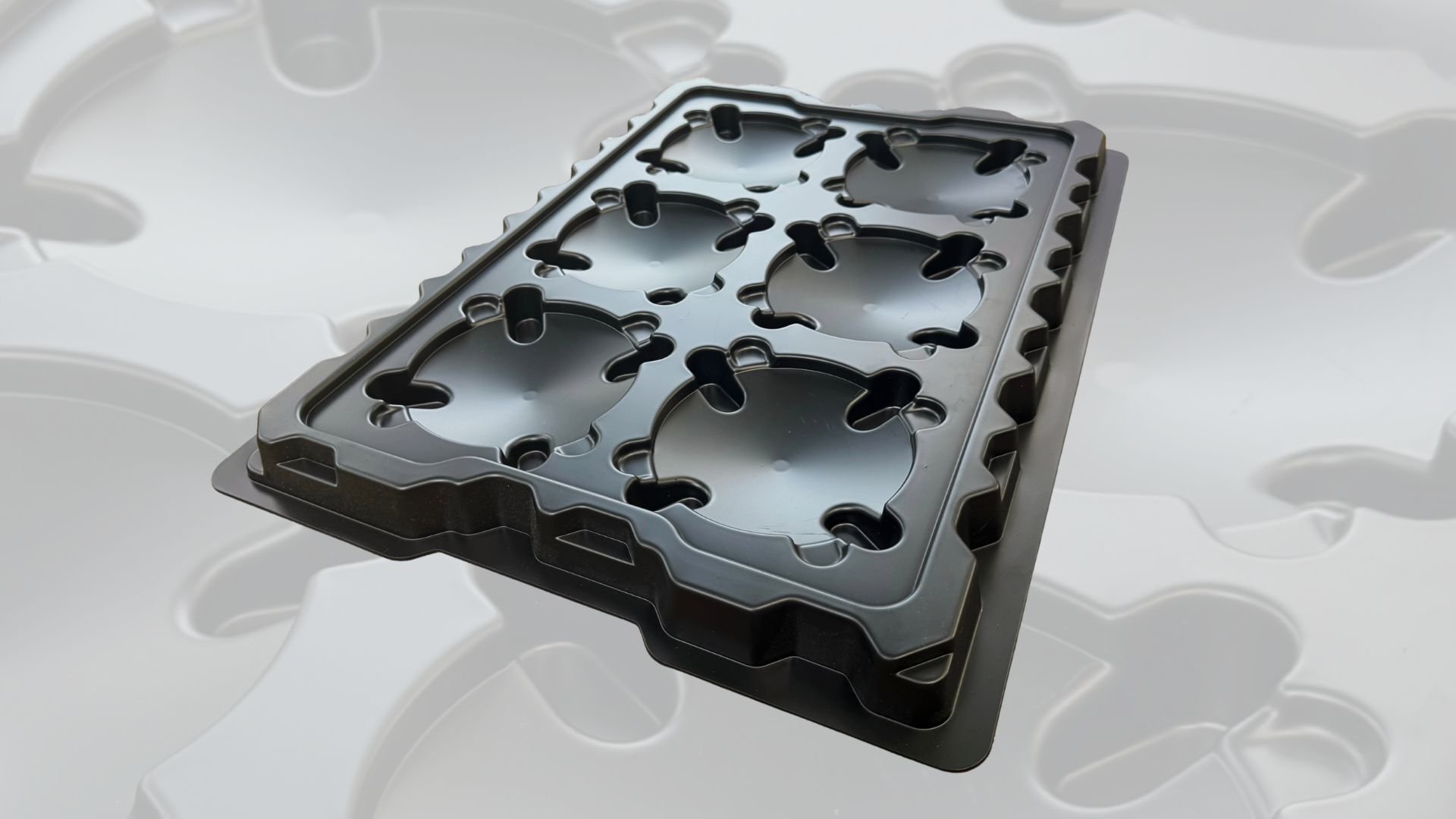
High-impact polystyrene, or HIPS, is frequently used for industrial trays, material-handling packaging, and automotive dunnage.
Its rigidity and durability make it well suited for trays used to hold, organize, transport, or present components throughout manufacturing.
Recycled HIPS, or RHIPS, can also be considered when recycled material is acceptable.
Typical applications include:
- Work-in-process trays
- Automotive dunnage trays
- Material-handling trays
- Industrial component trays
- Reusable or returnable packaging configurations
PP & HDPE: Heat Resistance & Dimensional Considerations
Polypropylene (PP) and high-density polyethylene (HDPE) are options for thermoformed applications where heat resistance is important. PP is also used in cleanroom applications.
One challenge with both materials is dimensional stability. Because PP and HDPE are olefins, holding demanding tolerances can be more difficult than with other thermoforming materials.
This needs to be considered when a package has critical dimensions or features that require tighter dimensional control.
PVC: When Heat-Sealing Performance is Important
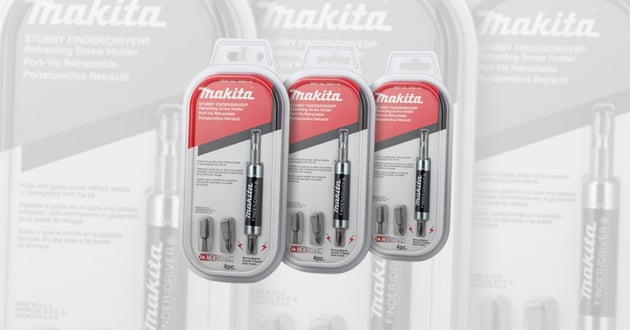
PVC continues to be used in thermoformed blister packaging because of its heat-sealing characteristics.
When a formed blister will be sealed to a coated card or another substrate, the plastic has to be compatible with the sealing system.
Material selection therefore needs to account for the downstream packaging process, not just how the material performs during thermoforming.
ESD & Anti-Static Materials: Selecting for Electrical Performance
Electronics packaging may require control of electrostatic discharge.
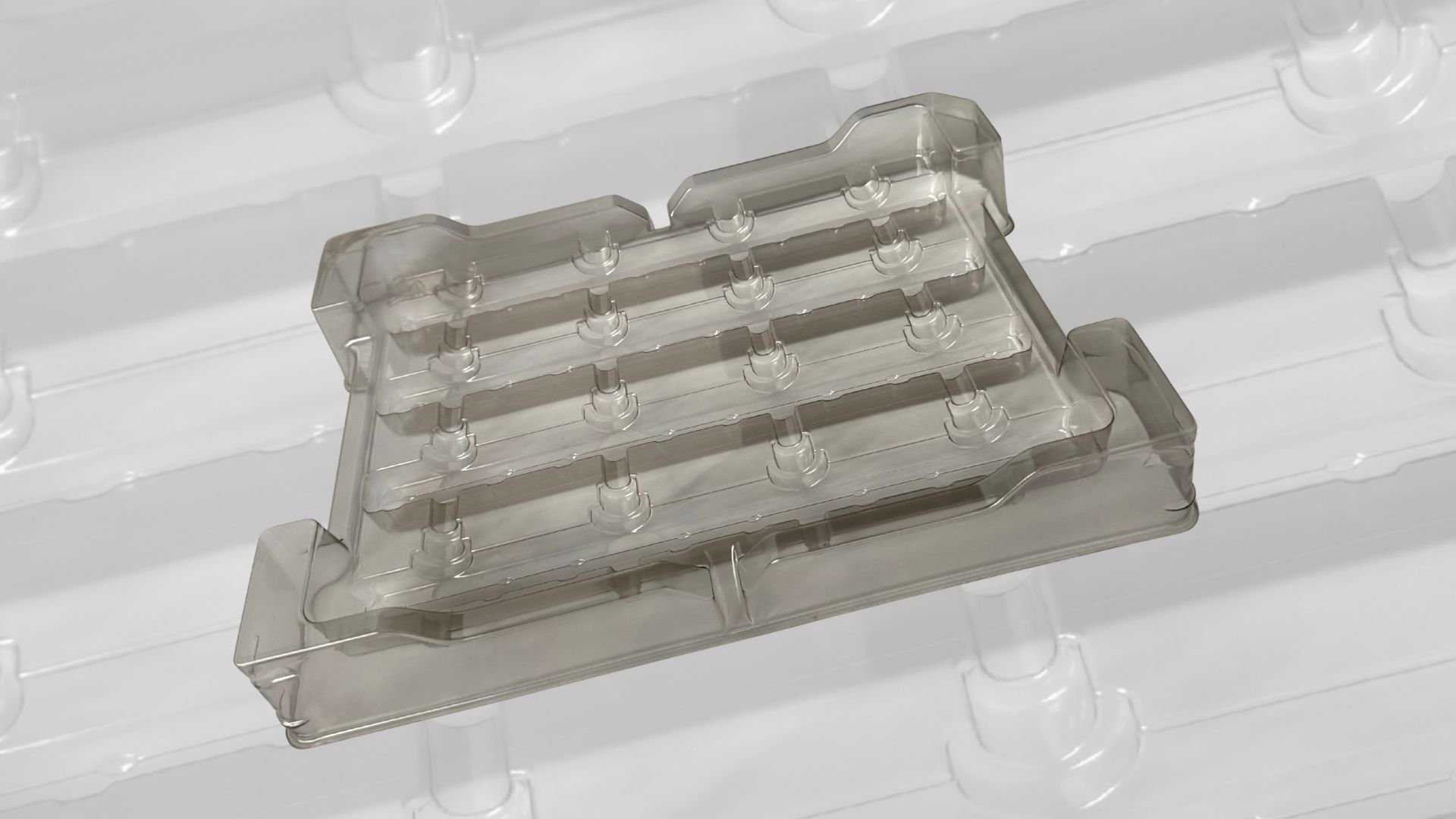
Sensitive electronic components can require antistatic, static-dissipative, or conductive packaging. These properties can be incorporated into different thermoforming materials depending on the application.
A request for "ESD material" alone may not provide enough information to select the appropriate sheet. Engineers need to know the required surface resistivity before determining which material construction is appropriate.
In these applications, the electrical performance of the finished package is part of the material specification.
Material Gauge is Part of the Specification
Once the resin is selected, the starting sheet gauge also has to be determined.
Starting gauge is not the same as the finished wall thickness. During thermoforming, the heated sheet stretches over or into the tool and material is redistributed throughout the part.
Engineers account for that material distribution when selecting a starting gauge. The goal is to provide enough material where it is needed without using more material than the package requires.
Material & Design Have to Work Together
Material cannot be selected independently of package geometry.
Draw depth, draft angles, radii, cavities, undercuts, and other formed features affect how the heated sheet moves across the tool. Materials also stretch, shrink, cool, and release from tooling differently.
Package geometry can be adjusted to improve material distribution and forming consistency, but the selected material still influences what can be achieved in the finished part.
Selecting the Material That Fits the Package
There is no single "best" thermoforming material. The right choice depends on the requirements of the package and how the material will behave during manufacturing.
A retail package may prioritize clarity and point toward PET or RPET. An industrial handling tray may need the durability of HIPS or RHIPS. Medical packaging may require PETG for sealing and sterilization, while heat resistance can lead to PP or HDPE. Blister packaging and electronics applications introduce other requirements, including seal performance and electrostatic protection.
The question is not simply which plastics can be thermoformed. It is which material properties the package requires.
The right material has to perform in the package, through thermoforming, and within the manufacturing and handling processes where the package will ultimately be used.